In the rapidly evolving landscapes of modern industry, high-rise construction, elite sports facilities, and public infrastructure, safety is no longer a luxury—it is a mandatory standard. Fall arrest systems and protective barriers serve as the critical “last line of defense” for ensuring the safety of human life and high-value assets.
As global safety regulations become increasingly stringent, traditional materials like standard galvanized wire mesh, nylon netting, and rigid steel railings are frequently falling short. They often lack the necessary balance of durability, aesthetic flexibility, and long-term weather resistance. Enter stainless steel rope mesh: a high-performance material that is quickly becoming the gold standard for engineers and architects worldwide. This guide explores why this material is the future of safety infrastructure.
I. Why Professionals Choose Stainless Steel Rope Netting
The shift toward stainless steel rope systems is driven by several key performance factors that traditional materials simply cannot replicate.
1. Unmatched Reliability in Extreme Environments
Standard steel mesh is highly susceptible to oxidation, and synthetic fibers like nylon degrade rapidly under UV exposure. In contrast, stainless steel rope netting is engineered for the harshest conditions on Earth.
Corrosion Resistance: Whether installed in coastal regions with high salt spray, chemical processing plants, or humid mining tunnels, the material maintains its structural integrity.
Longevity: It withstands moisture, acid rain, and aggressive chemical media, drastically reducing the frequency of replacements and lowering the total life cycle cost of the installation.
2. High Impact Resistance and Energy Absorption
A safety net is only as good as its ability to handle sudden kinetic energy. Stainless steel rope nets are composed of multiple strands of high-tensile fine wires, offering a unique “soft strength.”
Controlled Deformation: Unlike rigid railings that might snap or buckle, these nets undergo controlled elastic deformation upon impact.
Force Mitigation: By slightly stretching, the mesh delays the transmission of the impact force, effectively cushioning the fall and reducing the peak deceleration forces on the falling individual or object.
3. Transparency and Architectural Harmony
One of the most significant advantages for architects is the material’s visual lightness.
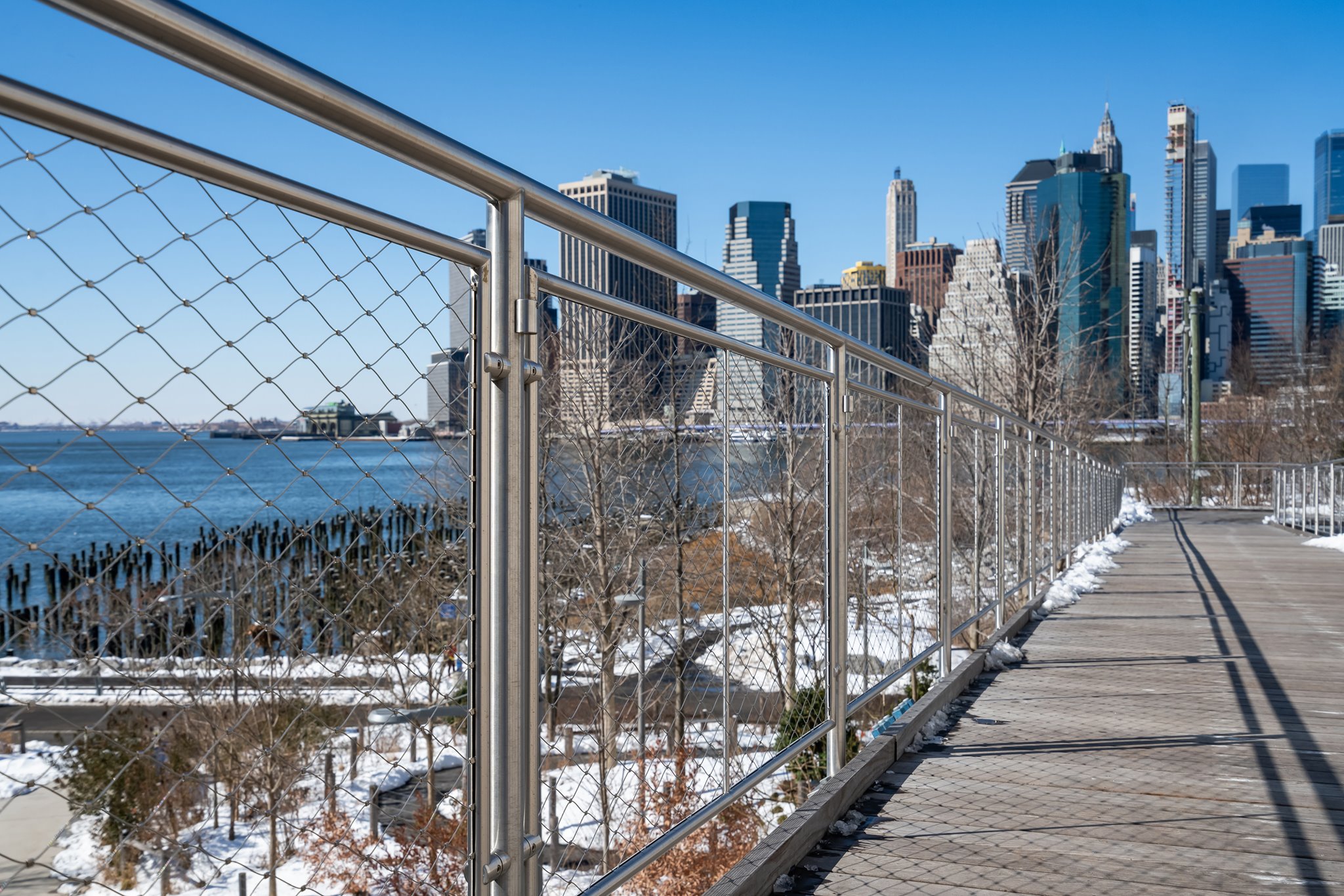
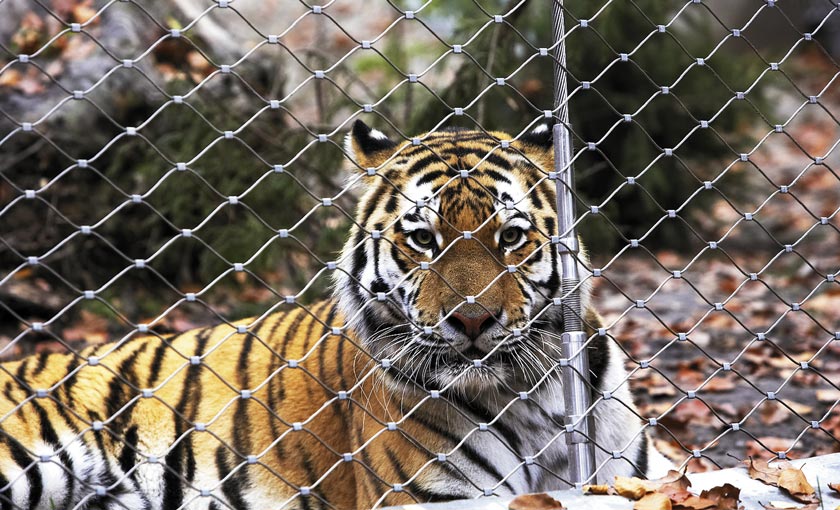
Unobstructed Views: In applications like stadium fencing or zoo enclosures, physical security is required without creating a “caged” feeling. The slim profile of the wire provides almost total transparency.
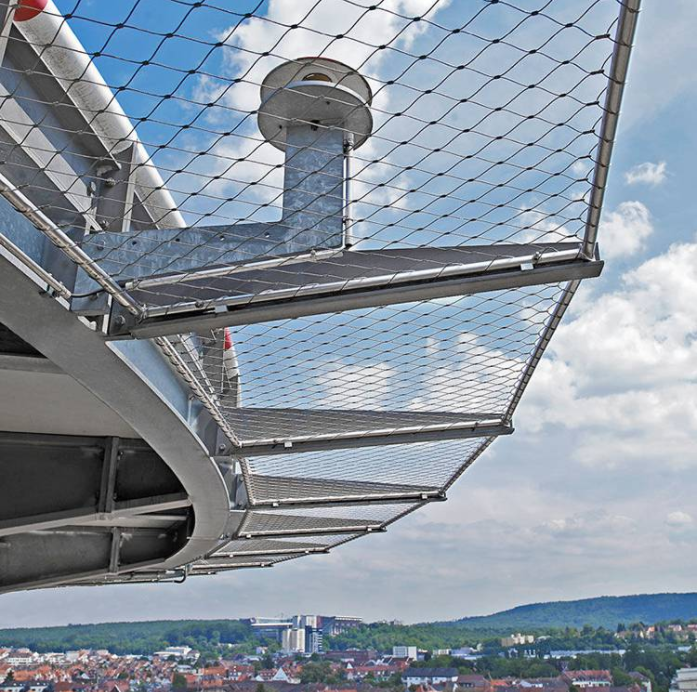
Natural Ventilation: The open-grid structure allows for maximum airflow and light penetration, making it an ideal choice for bridge safety nets and viewing platforms where environmental integration is key.
4. Fire Resistance and Thermal Stability
In high-risk industrial zones such as petrochemical plants or underground tunnels, fire safety is paramount.
Non-Combustibility: Organic materials like polyester or nylon will melt, drip, or burn during a fire. As an all-metal material, stainless steel rope netting is non-combustible.
High-Temperature Performance: It retains its mechanical properties even when exposed to high temperatures, ensuring that the barrier remains functional during emergency evacuations.
5. Exceptional Installation Flexibility
The “fabric-like” nature of the mesh allows it to be used in ways rigid panels cannot.
Adaptability: It can be stretched over irregular shapes, complex curves, and 3D structures.
Ease of Transport: Being lightweight and foldable, it is significantly easier to transport to remote sites or high-elevation construction zones compared to heavy, rigid steel panels.
II. Strategic Advantages in Modern Safety Systems
Beyond the immediate functional benefits, stainless steel rope netting offers long-term strategic advantages for project stakeholders.
1. Superior Durability and Material Grades
Utilizing high-quality AISI 304 or 316 stainless steel, these systems are built to last. Grade 316, in particular, is the preferred choice for marine-grade safety barriers due to its added molybdenum content, which provides superior resistance to chlorides. With an expected service life of over 20 years, it is a “set-and-forget” solution for many infrastructure projects.
2. The “Progressive Failure” Safety Mechanism
Safety engineering focuses on how a system fails. Traditional rigid barriers may experience “brittle failure,” snapping instantly under extreme load. Stainless steel rope netting exhibits a “progressive failure” mode. If an individual wire strand breaks under massive overload, the surrounding mesh distributes the weight, preventing a total system collapse and buying critical time for rescue operations.
3. Low Maintenance and Self-Cleaning Properties
Maintenance costs can cripple a project’s budget over time.
Self-Cleaning: The smooth surface of the stainless steel does not easily harbor dust or debris. In outdoor applications, natural rainfall is often enough to keep the mesh clean.
No Coatings Required: Unlike carbon steel, it does not require regular painting, galvanizing, or rust-proofing treatments, which are both costly and environmentally taxing.
4. Sustainability and Environmental Impact
In the era of Green Building Standards, stainless steel is a champion material. It is 100% recyclable, and because it does not degrade into microplastics like synthetic netting, it poses no threat to local ecosystems or marine life.
5. Fatigue and Vibration Resistance
For structures like bridge deck safety nets, the material is constantly subjected to vibrations from traffic and wind. Stainless steel rope is inherently resistant to fatigue, maintaining its tension and structural integrity over millions of vibration cycles.
III. Common Applications: Where Safety Meets Design
The versatility of this material allows it to be applied across a vast range of sectors:
Building Fall Protection: Installed around rooftops, balconies, and construction sites to catch falling workers or debris.
Bridge Safety Systems: Used on pedestrian walkways and bridge edges to prevent accidental falls and suicide attempts.
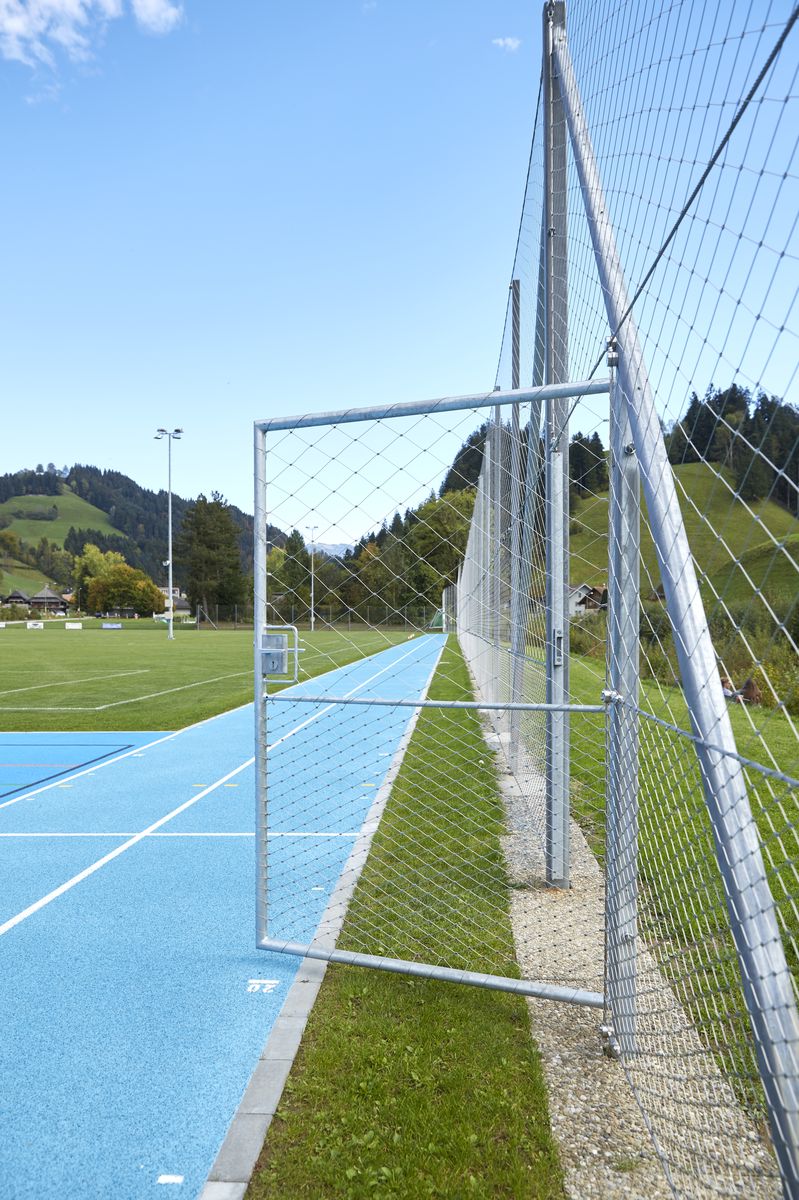
Stadium & Sports Fencing: High-strength barriers that protect spectators from high-speed balls without blocking their view of the game.
Zoo and Animal Enclosures: Providing a secure yet nearly invisible barrier for primates, birds, and large predators.
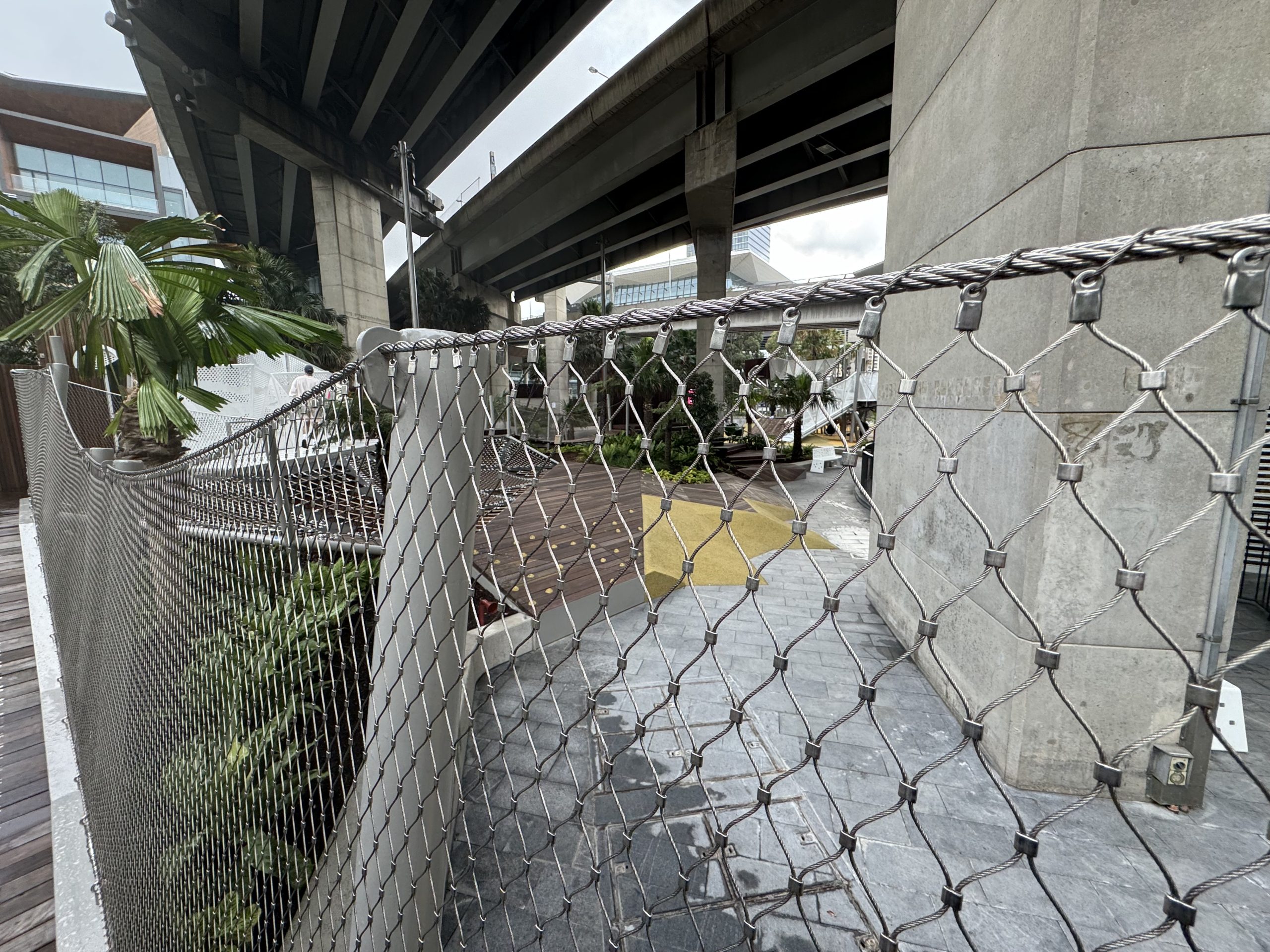
Playground Protection: Ensuring that children can play safely at heights without the risk of slipping through gaps in traditional railings.
IV. Overcoming Implementation Challenges
While the benefits are clear, successful deployment requires a sophisticated understanding of the material’s unique characteristics.
1. Navigating Initial Procurement Costs
It is undeniable that the initial cost of stainless steel is higher than galvanized steel or nylon. However, savvy project managers look at the Total Cost of Ownership (TCO). When you factor in the lack of maintenance, the 20+ year lifespan, and the reduced risk of liability from failure, the stainless steel option is often the most economical long-term investment.
2. The Necessity of High-Precision Installation
The performance of a rope net is entirely dependent on its tension.
Tension Balance: If the net is too loose, a falling body may travel too far before being caught. If it is too tight, it creates stress concentrations at the anchor points.
Professional Expertise: Installation must be conducted by specialists who understand edge rope termination and buckle strength to ensure the system meets its rated load capacity.
3. Mitigating Galvanic Corrosion Risks
A common mistake in the field is using standard carbon steel bolts or clamps to secure a stainless steel net. In humid environments, this creates a galvanic cell, leading to rapid corrosion of the connectors. The solution is simple: always use matching stainless steel hardware or high-quality insulation gaskets.
4. Optimizing Grid Size for the Application
Selecting the right mesh aperture (grid size) is a balancing act.
Small Apertures: Prevent small objects or children’s hands from passing through but increase the weight and cost.
Large Apertures: Save on material and weight but may not provide adequate protection against smaller falling debris.
Customization: Suppliers can often customize the wire diameter and mesh size to meet specific safety calculations.
5. Managing Surface Integrity and Burrs
During the cutting and assembly process, small burrs or wire ends can occasionally remain. If not addressed, these can cause minor injuries or snag clothing. High-quality suppliers perform rigorous end treatment and polishing before shipment to ensure a smooth, safe-to-touch surface.
V. Expert Analysis: Why Stainless Steel Rope Netting is Underrated
From a technical and architectural perspective, stainless steel rope netting represents a paradigm shift in safety design. It perfectly aligns with the modern engineering philosophy of “redundancy without rigidity.”
Historically, we assumed that for something to be strong, it had to be heavy and stiff. This material proves the opposite. By using high-tensile wire in a flexible weave, we achieve metal-level security with textile-level flexibility.
Furthermore, the industry is on the verge of a “smart” revolution. We are already seeing the integration of tension sensors and RFID tags within the rope structures. This allows facility managers to monitor the “health” of their safety barriers in real-time, receiving alerts if a net has been impacted or if tension has dropped due to structural shifting.
VI. Final Summary
In conclusion, stainless steel rope netting is redefining how we approach public and industrial safety. It offers a unique combination of aesthetic beauty, environmental sustainability, and uncompromising strength.
By choosing this material, you are not just buying a net; you are investing in a long-term safety asset that will protect lives and property for decades with minimal intervention. Provided that the system is designed with the correct mesh size, installed by experts, and inspected annually, it stands as the most reliable, attractive, and cost-effective barrier solution available in the modern market.
Whether you are securing a zoo enclosure, a high-traffic bridge sidewalk, or a hazardous construction site, stainless steel rope mesh provides the peace of mind that comes from knowing you have chosen the best protection possible.
Request a quote
Please send us Email through the following form, no matter if you are inquiring or have any questions, we will reply you as soon as possible.